

By Kathleen O’Heron · 3 min read
I write here when something is worth thinking through. New pieces from Focus and the Jynx Journal go directly to subscribers.
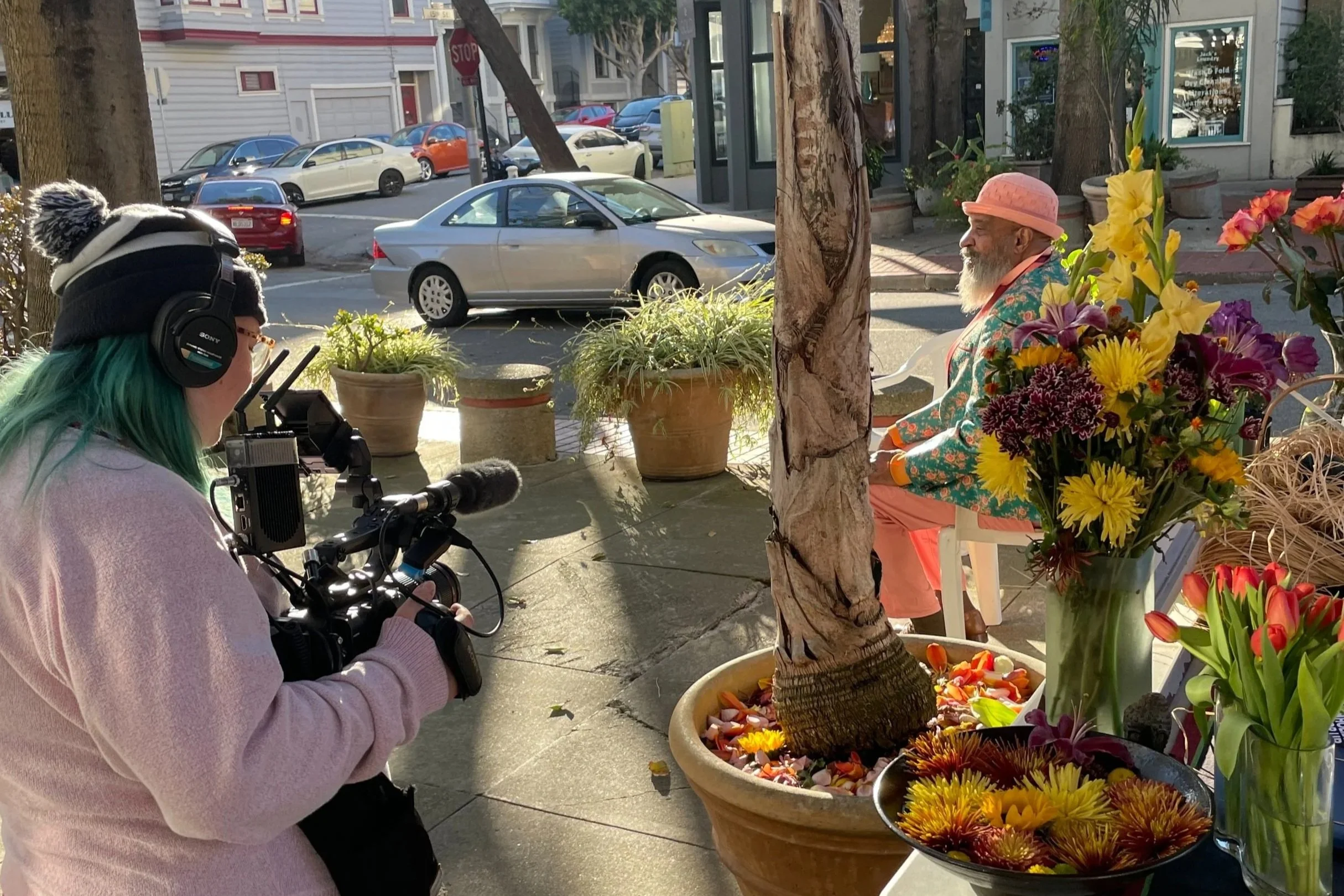
When most people hear the word “Documentary”, if it doesn’t make them fall asleep immediately, they think of TV or film festivals. We’d argue they can be used for so many different purposes but mostly as assets for a variety of clients. As documentary content has gained in popularity, the marketplace has grown and we’ve seen this growth first hand.
While we produce primarily for broadcast networks, lately we’ve increasingly been asked to produce mini-docs for Marketing/PR teams, for brands, NGO's, non profits, even for private clients. Topics run the gamut. Total run times are all over the place, some just 2 minutes others up to 90 and the pipeline seems endless.
The message we’re getting from all of our clients is this: while video content is ubiquitous and audiences seem to have endless appetites, one thing they really seem to be seeking out is authenticity. Viewers want to hear from real people, people who have unique and interesting stories. And while everyone has a story, they don’t always know how to tell it; especially when the cameras are rolling. That’s where documentary filmmakers can have a place in your marketing budget.
The films we produce typically share a few tell tale attributes that our clients appreciate:
Our scripts rely heavily (if not completely) on interviews - We try not to include voice overs unless the client expressly requests it. A voice over can detract from the intimacy and feeling of authenticity as they feel detached from what’s happening on screen. This means our interviewing skills come to the fore.
The narrative arc can evolve significantly throughout the production process - Anything can happen while filming. An experienced crew will know how to follow the threads of unexpected action and direct them back towards the scope of the production. These unexpected pivots lend to the authenticity of the final cut.
Unless the story involves re-enactments, or are for commercial clients, there are no actors - Sometimes you need reenactments to visually illustrate the story, but for most of our clients, we try to avoid these stylized sequences which helps to keep costs down.
Projects can be produced with a relatively small and nimble crew - This sets documentary filmmaking apart from most other production work. We aim to become as invisible as possible, fading away while filming. Traipsing around on location carrying a lot of equipment has the complete opposite impact.
These are, more or less, the rules we follow when filming all types of projects for our clients.
Our production memories take us back 20 years. Our films are about people, the places they inhabit, where they work, what they build, who they love, what makes them unique. We film with people who are fighting for visibility, who are making an impact in micro and macro ways. We work with organizations to tell stories for their fundraising efforts and films that illustrate the motivation behind founder/CEOs, about their companies, the importance of their work, their inventions. Most recently, our cameras were rolling as people sought inventive ways to live forever, or they chased The American Dream from coast to coast, or as they found ways to cope in the age of Covid-19. We filmed throngs of people as they joined the Women’s March, or stood up to injustice in the Black Lives Matter protests. We filmed with people who are paving the way toward prison reform, people who are finding new ways to explore cultural connectivity, and people who are looking to mitigate the impacts of a shifting climate.
We find that the ordinary is extraordinary, and with every adventure we learn something about how to be better versions of ourselves.
Here are some samples we’re really proud of: