

Beyond the Campaign: Why Sustainable Audience Growth is an Operations Challenge
By Kathleen O’Heron ᐧ 3 min read
I write here when something is worth thinking through. New pieces from Focus and the Jynx Journal go directly to subscribers.
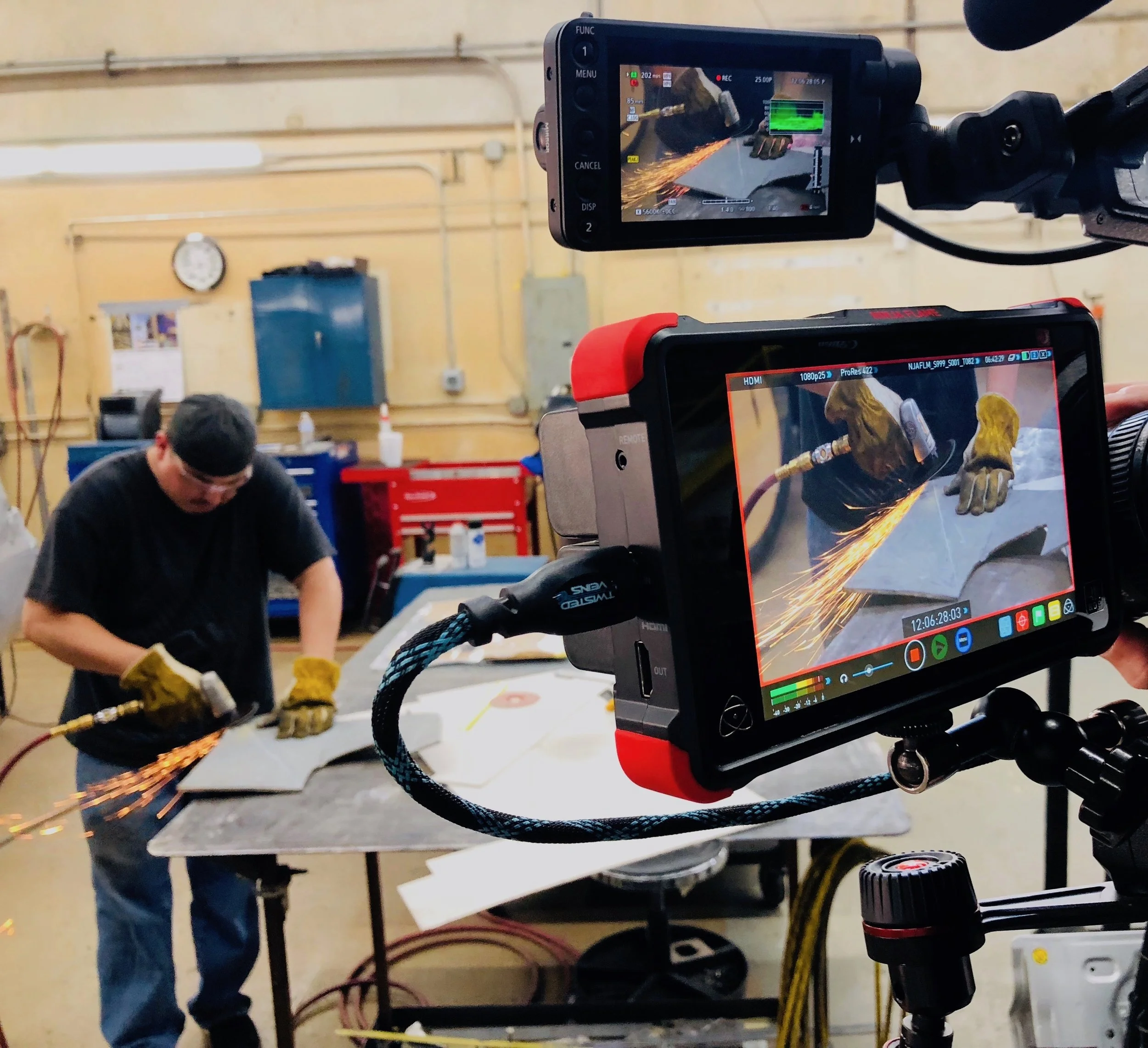
Cultural and media institutions often sit on a goldmine of content, holding decades of archives, educational programming, and creative assets. Yet the disconnect between having this content and using it to drive sustainable revenue is often where strategy fails. I have spent over 25 years at the intersection of media and technology, ranging from leading the analog-to-digital migration as Global Head of Post Production at Bloomberg LP to building a purpose-driven production studio that serves broadcasters worldwide. In that time, I have learned that the tension between mission and marketing is usually a false dichotomy. The real problem is not that cultural institutions shouldn't behave like brands, but that they often treat engagement as a series of fleeting moments like exhibitions or galas rather than a cohesive ecosystem.
This focus on the "big reveal" often leads organizations to overlook the foundational value of their assets. In my work with Jynx Productions, we found that long-form media is not the end product but rather the beginning of the engagement cycle. When we structure assets correctly, a single piece of content should fuel a sustained narrative through educational cut-downs, member exclusives, and digital shorts. This approach is not about diluting the work. It is about translation. It creates multiple entry points for an audience to connect with the mission without compromising the integrity of the original story.
Executing this kind of content ecosystem requires a shift in how we view technology, specifically regarding the role of Artificial Intelligence. While there is a lot of noise about AI replacing creativity, my experience suggests its true value is operational. At Jynx, we integrated AI-based tools not to write scripts, but to automate workflows, transcription, and metadata creation. This operational shift cut our media management time in half and improved delivery efficiency, which allowed our teams to focus on strategy and judgment. For a VP of Communications, the goal of technology should be to clear the way for meaningful connection rather than to automate the soul out of the message.
However, even the most efficient technology will fail if the organizational structure does not support it. Marketing and communications cannot exist in a silo. During my tenure at Bloomberg, success required aligning editorial, engineering, and IT under unified business objectives. The same principle applies to mission-driven organizations. When audience growth is treated solely as a marketing KPI, it risks becoming misaligned with the mission, which eventually erodes trust. True engagement requires executive leadership to treat communications as a governance issue where program leaders, development, and guest services all operate from the same strategic framework.
Ultimately, this structural alignment changes the nature of the output. Organizations that thrive over the long term view storytelling as a service to history, to their communities, and to the future. Whether I was documenting the economic shifts in Irish-speaking regions or producing socio-political content for global broadcasters, the core responsibility remained the same: to interpret and share stories that shape how we understand ourselves. Turning archives into audiences is not a marketing trick. It is an organizational commitment that requires operational discipline. We build trust not by chasing attention, but by building systems that deliver value consistently.